
Drone Roof Survey in St Albans
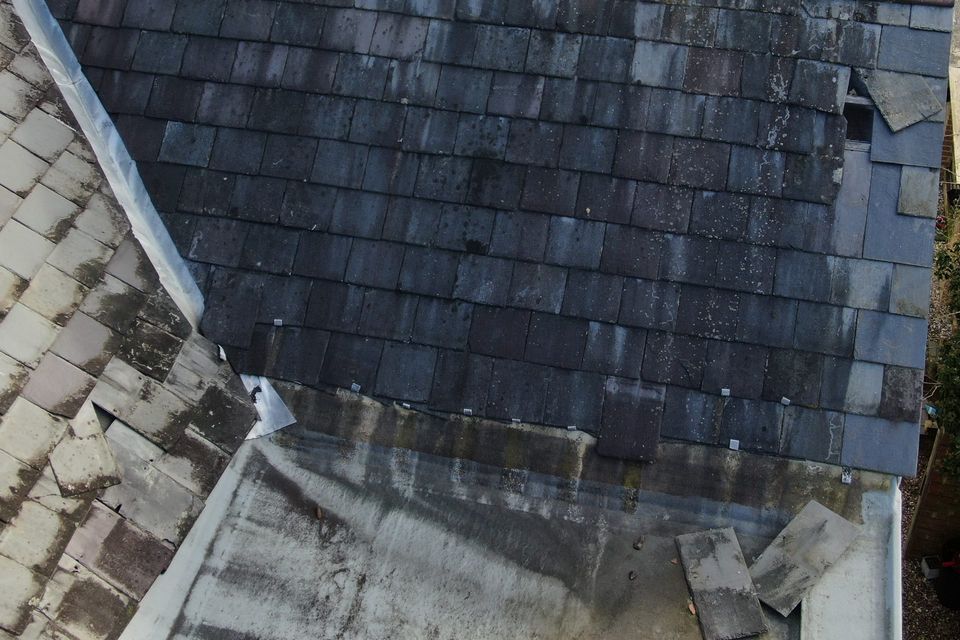
A drone roof survey is a close visual inspection of a roof from the air. It shows the slopes, chimneys, valleys and flat roofs that cannot be seen properly from the ground or a ladder, and it needs no scaffolding.
We are an RICS-regulated firm of building surveyors based in St Albans. The photographs are assessed by a building surveyor and explained in a written report, not handed over for you to interpret.
Who is a drone roof survey for?
It is for anyone who needs to know the condition of a roof before spending money on it. The usual reasons are:
- you have been told the roof needs major repair or replacing, and want an independent report before you commit
- there is a leak, or damage after a storm, and you want the outside of the roof checked
- roofing work has been done and you want it checked
- you own an older or listed house and want to plan its maintenance
- you are buying, in which case drone roof photography is an add-on to our Level 2 Home Survey, Level 3 Building Survey and snagging survey.
What can a drone see on a roof?
Almost everything on the outside of the roof, at close range and from above. That includes:
- slates and tiles that have slipped, cracked or gone missing
- ridges and hips, and the mortar they are bedded in
- valleys and the hidden gutters between roof slopes
- chimney stacks, pots, pointing and flashings
- leadwork around dormers and rooflights
- parapet walls and their copings
- flat roofs, including splits, blisters and standing water
- gutters and outlets, including blockages and plant growth.
What can a drone not tell you?
It cannot see beneath the roof covering. The underlay, battens and roof timbers are hidden from the air, and a photograph cannot test whether a roof is watertight.
Where there is safe access, we also look inside the roof space. Staining, daylight through the covering and damp timber there often explain what the outside shows. If the evidence points to a problem that cannot be seen, the report says so plainly and tells you who should investigate it.
What does the report include?
A written report on the condition of the roof, delivered within 3 working days of the inspection. It sets out:
- what we inspected, and anything that limited the inspection
- what we found on each part of the roof, outside and in the roof space
- our conclusion on its condition and the likely cause of any defect
- what needs doing now, what can wait and what needs nothing
- whether the evidence points to repair or to replacement, where you have been advised to replace
- the photographs, marked up to show each finding.
You can give the report to every roofing contractor you ask to price the work, so that they all quote for the same job.
Which St Albans roofs are hard to see from the
Most of the older ones. On the Victorian and Edwardian terraces near the station and through Fleetville, the rear slopes, the valleys and the roofs of the back additions cannot be seen from the street, and often not from the garden either.
The roofs that most need a close look follow the local housing stock:
- slate and clay tile roofs reaching the end of their serviceable lives
- flat roofs on dormer loft conversions, which are out of sight from below
- chimney stacks, which are exposed on every side and hard to inspect from the ground.
On a loft-converted house in St Albans, one of our drone roof inspections found a concealed hole. The case study sets out what happened.
Can a drone be flown at any property?
No. Every flight has to be safe and legal on the day. Airspace restrictions, nearby roads and buildings, trees and the weather all affect whether a drone can fly, and parts of central London need permission in advance. We check the airspace around your address when we plan the flight. If wind or rain stops a flight on the day, we rearrange it.
How it works
- Tell us about the roof. Before we visit, we talk through what prompted the inspection: a leak, storm damage or a contractor's advice. If you have a quotation or an earlier report, send it to us.
- The inspection. A surveyor flies the drone and photographs every part of the roof, with close-ups of anything that looks wrong, and looks inside the roof space where there is safe access.
- Your report within 3 working days. A written report with marked-up photographs, within 3 working days of the inspection.
- We talk it through. Once you have read the report, we go through the findings and your questions on a call.
What a drone roof survey costs
We quote each inspection individually, because the fee depends on the size, height and complexity of the roof and on where the property is. A two-bedroom terrace and a large detached house with several roof slopes are not the same job. Send us the address and a line on what prompted the inspection. Quotes are free, in writing and carry no obligation. For buyers, drone roof photography is priced as an add-on to the survey.
Why use Verulam for a roof inspection?
Verulam is an independent practice regulated by RICS, with no ties to builders or developers. Our fee is for the inspection and the report, so the advice does not depend on any work being done. Founded in 2018, we hold a 4.8-star rating on Google from 40+ reviews.
Blocks of flats and commercial roofs
We also inspect the roofs of blocks of flats and commercial buildings by drone, for managing agents, freeholders and building owners. The findings can inform a specification for roof works, including major works consulted on under Section 20. Our Section 20 major works and commercial pages cover that work.
Arrange a drone roof survey
Based in St Albans, we cover Hertfordshire, the Home Counties, London and Essex. Send us the property address and what prompted the inspection through our contact form, and we will come back to you with a written quote.
Frequently asked questions
What does a drone roof survey show that a ground inspection cannot?
It shows the parts of a roof that are hidden from the ground: rear slopes, valleys, the tops of chimney stacks, parapet gutters and flat roofs. The drone photographs them at close range and from above, so slipped slates, cracked mortar around chimney pots and standing water can be seen clearly. From the ground, even with binoculars, many of these are out of sight.
Can a drone survey tell me whether my roof needs replacing?
Often, yes. The photographs show the condition of the whole roof covering closely enough to judge whether it needs local repair, wider repair or replacement, and the report explains why. What a drone cannot see is the underlay and timbers beneath, so we also look inside the roof space where there is safe access.
How much does a drone roof survey cost in St Albans?
There is no set price. We quote each inspection individually, because the fee depends on the size, height and complexity of the roof and on where the property is. Send us the address and what prompted the inspection, and we will send a written quote, free and without obligation. For buyers, drone roof photography is priced as an add-on to the survey.
Can you fly a drone over any property?
No. Every flight has to be safe and legal on the day. Airspace restrictions, nearby roads and buildings, trees and the weather all affect whether a drone can fly, and parts of central London need permission in advance. We check the airspace around the address when we plan the flight. If wind or rain stops a flight, we rearrange it.
Is a drone roof survey included in a Level 2 or Level 3 survey?
No, it is an add-on. Drone roof photography can be added to our Level 2 Home Survey, Level 3 Building Survey or snagging survey wherever it is safe and legal to fly, and the images go into your report. Without it, we inspect the roof from the ground as far as it can be seen. If the roof concerns you, ask when you book.
How long does a drone roof survey take?
The written report reaches you within 3 working days of the inspection. How long we spend on site depends on the size, height and complexity of the roof, and on whether there is a roof space to look into as well. If a contractor is waiting for your decision, say so when you get in touch.